Rethymno Travel Guide: Old Town, Villages & Hidden Taverns (2026)
Rethymno is one of the most charming destinations in Crete. It perfectly combines Venetian architecture, a vibrant old town, traditional mountain villages nearby, and authentic Cretan taverns that still preserve the island’s true culinary identity.
It is an ideal destination for travelers who want:
history and cultural walks,relaxed beaches and authentic local food
short trips to traditional villages and nature
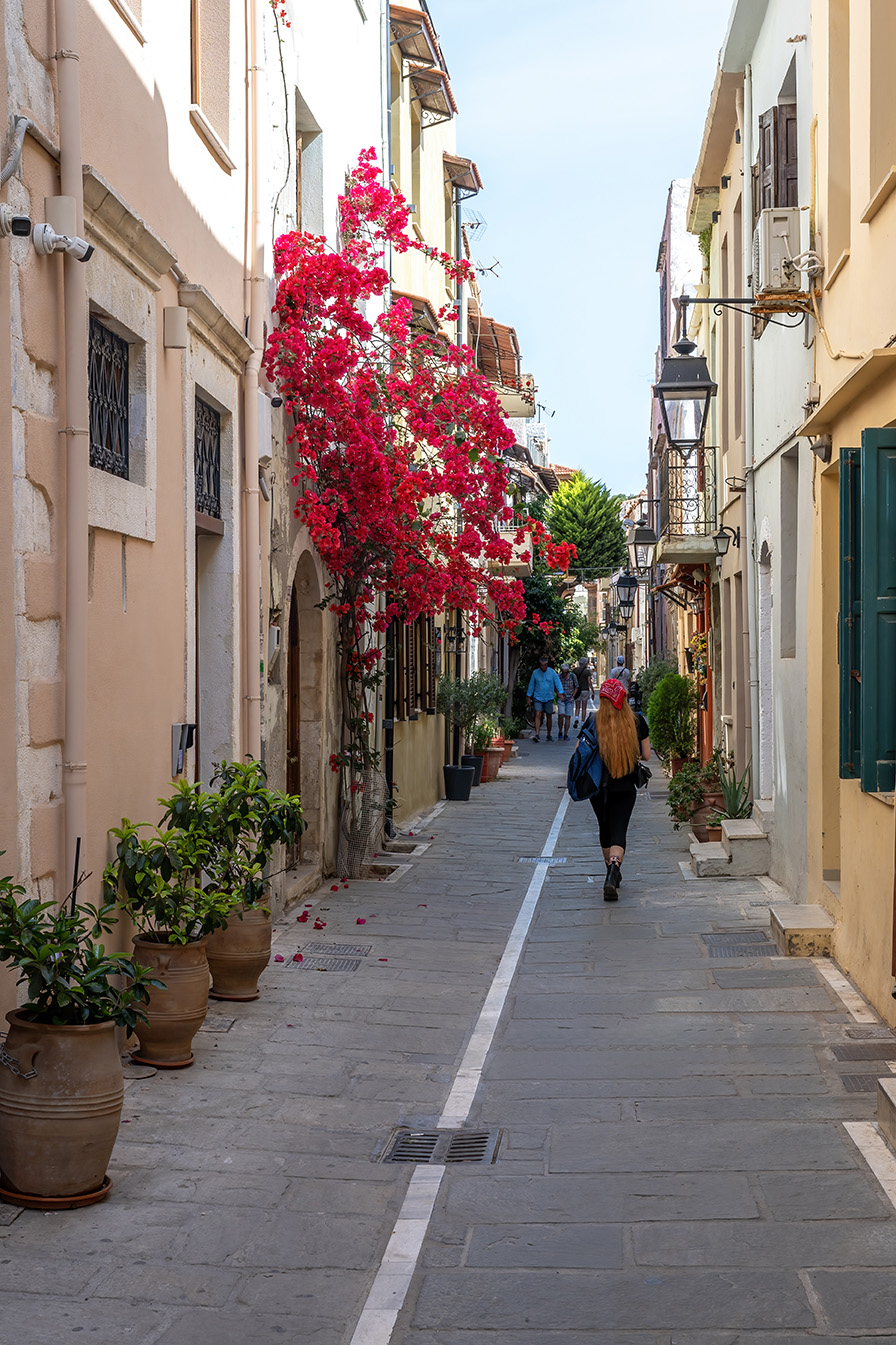
The Old Town of Rethymno is one of the best-preserved historical centers in Greece. Narrow alleys, Venetian mansions, Ottoman-era influences, and small squares create a unique atmosphere that feels like stepping back in time.
What to see in the Old Town:
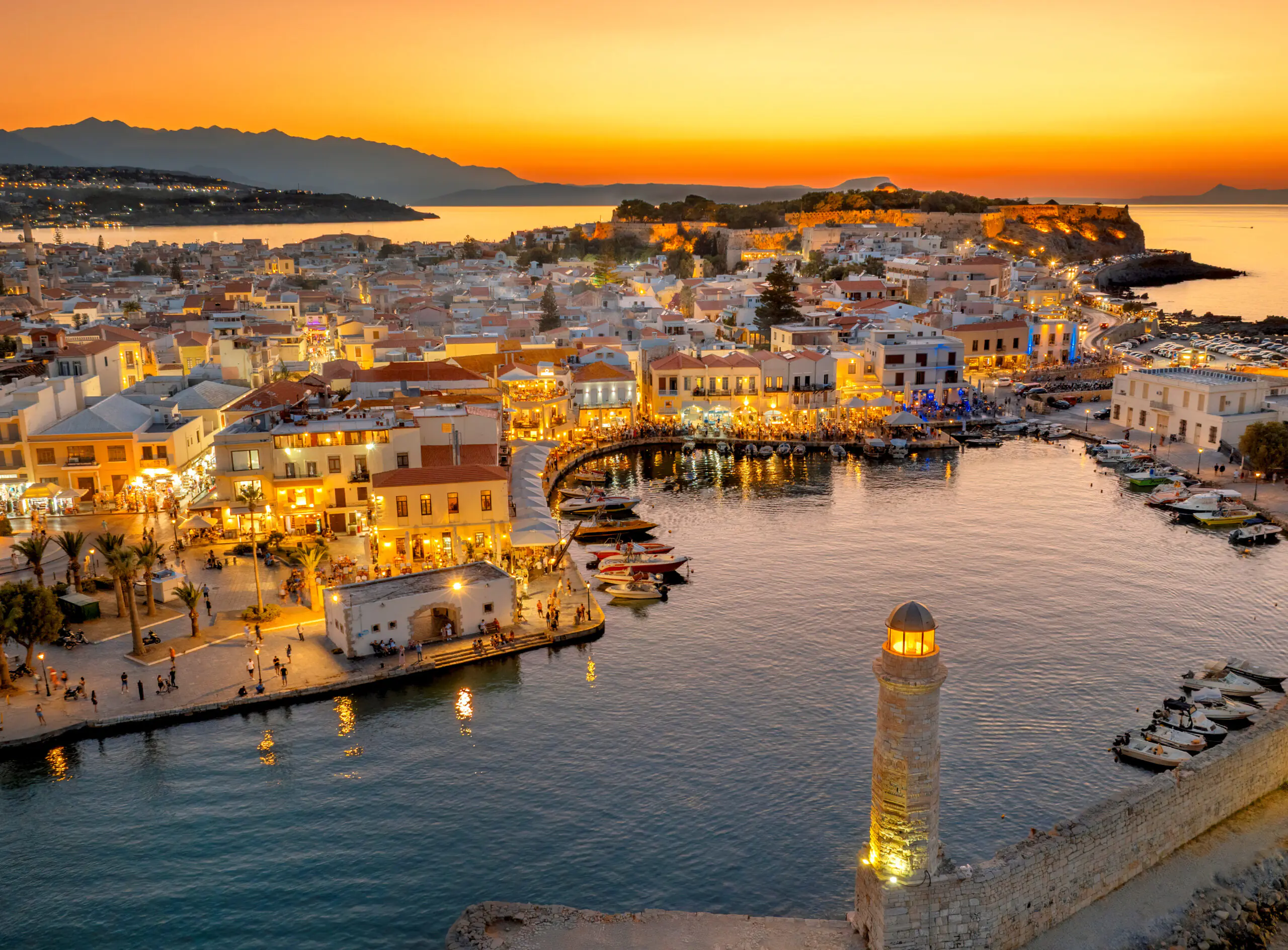
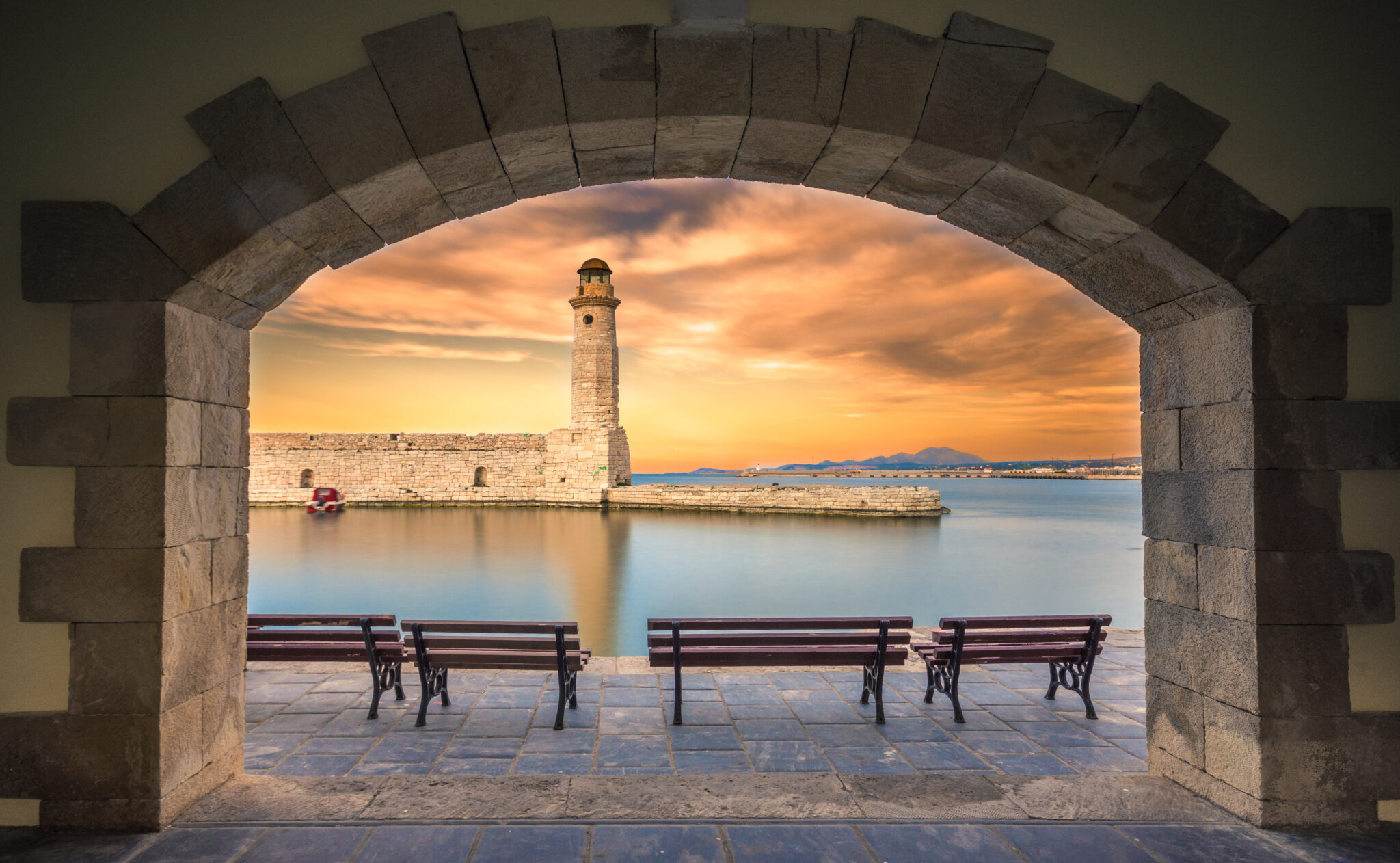
The Venetian Harbor
Fortezza Castle with panoramic city views
Rimondi Fountain with its iconic lion heads
Charming alleys full of shops, cafés, and hidden courtyards
In the evening, the Old Town becomes magical with warm lights, lively taverns, and a relaxed atmosphere.
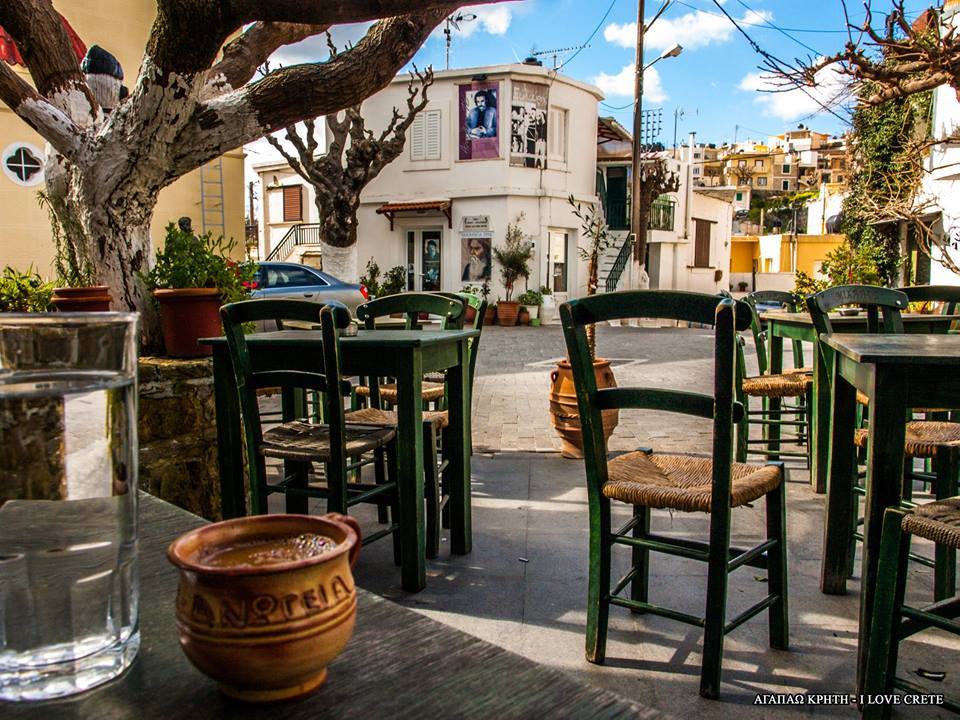
Villages Around Rethymno – Authentic Crete
If you want to experience the real Crete beyond the tourist areas, the countryside around Rethymno is full of traditional villages worth visiting.
Argyroupoli
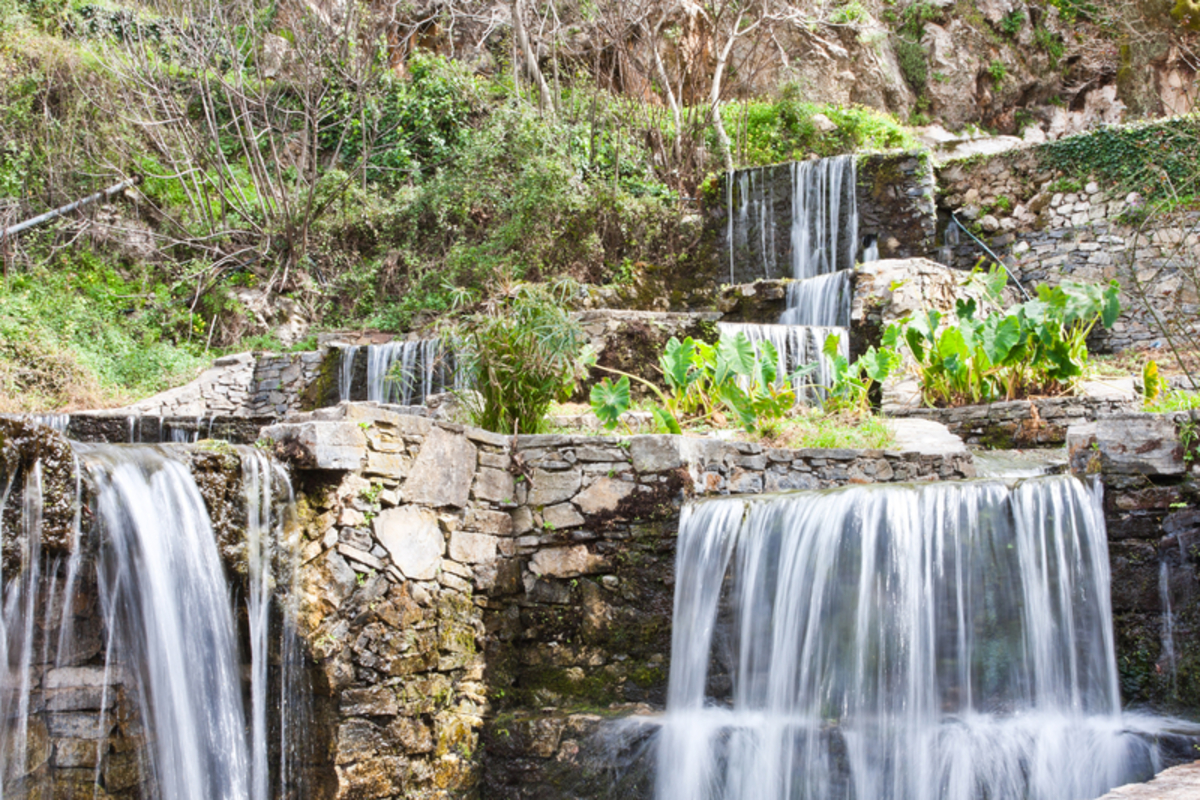
Argyroupoli is one of the most beautiful and green villages in Crete, famous for its natural springs, flowing waters, and traditional taverns set in nature. Located near Rethymno, it is the perfect half-day or full-day escape for travelers who want to experience the authentic and greener side of the island.
The village is built on the ruins of the ancient city of Lappa, blending history, nature, and gastronomy in one unique destination.
Where is Argyroupoli?
The Argyroupoli is located about 25–30 minutes from Rethymno, making it an easy and popular excursion from the city.
The drive to the village is scenic, passing through olive groves, small settlements, and rolling countryside.
The Natural Springs of Argyroupoli
The most impressive feature of Argyroupoli is its natural springs that flow everywhere throughout the village.
Visitors will find:
small waterfalls and streams
crystal-clear running water
huge plane trees offering shade and freshness
stone bridges and small natural pools
The atmosphere is incredibly lush and green, making it feel very different from the typical dry Cretan landscape.
Traditional Taverns in Nature
Argyroupoli is famous for its taverns built right next to the springs, offering one of the most relaxing dining experiences in Crete.
Here you will find:
tables under large plane trees
water flowing beside your table
authentic Cretan home-style cooking
What to try:
Antikristo (slow-roasted lamb),Oven-baked goat Snails (chochlioi)and Homemade wine
History of the Area
Argyroupoli is built on the ancient city of Lappa, which was an important settlement in both the Roman and Byzantine periods.
You can still find:
ancient Roman baths
archaeological remains
historical churches and ruins
The combination of history and nature makes the village even more special.
Why Visit Argyroupoli?
Argyroupoli is perfect for travelers who want to escape the beaches and experience a more authentic side of Crete.
It is ideal for:
relaxing nature escapes
food lovers and traditional cuisine experiences
short day trips from Rethymno or Chania
couples and families
Margarites
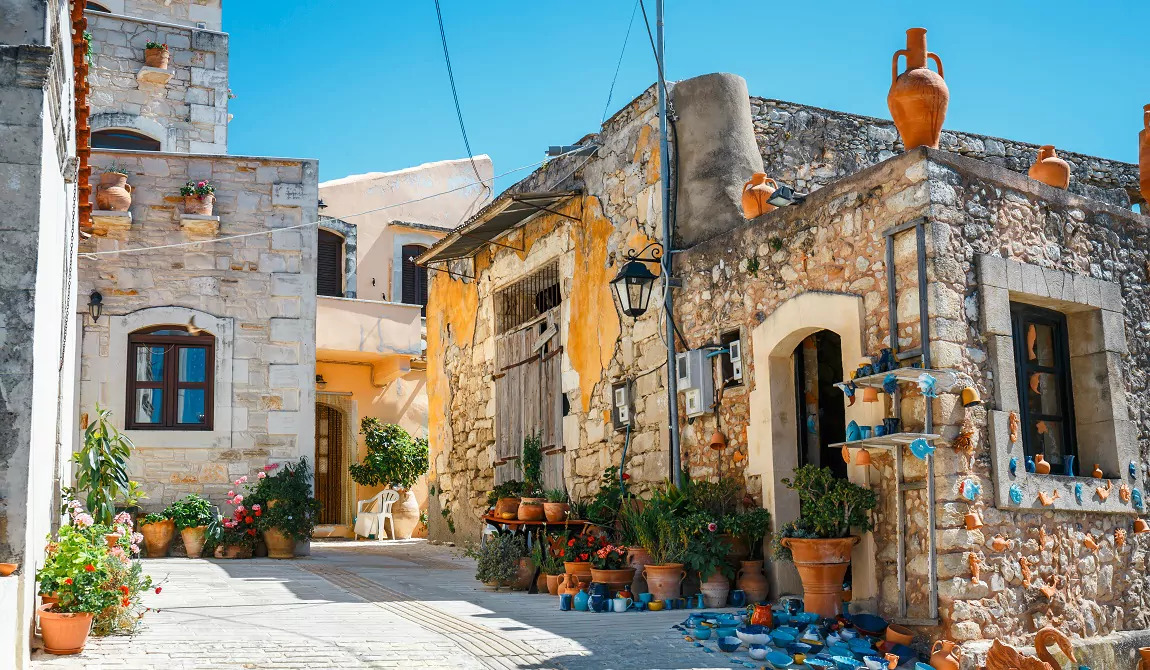
Margarites is one of the most charming traditional villages in Crete, known for its centuries-old pottery tradition, narrow stone alleys, and authentic atmosphere. Located in the Rethymno region, it is a perfect stop for travelers who want to experience real Cretan culture away from the tourist crowds.
This small village is famous for keeping its artistic heritage alive, especially through handmade ceramics that are still produced today.
Where is Margarites?
The Margarites is located about 25–30 minutes from Rethymno, in the hills of central Crete.
The drive to the village is scenic, passing through olive groves, small valleys, and traditional countryside landscapes.
The Pottery Tradition of Margarites
Margarites is widely known as one of the most important pottery centers in Crete. The tradition dates back centuries, influenced by Minoan ceramic art and continued through generations of local craftsmen.
In the village you will find:
family-run pottery workshops
handmade ceramic shops
artists working with traditional techniques
unique clay items inspired by ancient Cretan designs
Walking Through the Village
Margarites is also very beautiful to explore on foot.
Expect to see:
narrow stone streets
traditional houses with flowers and courtyards
small squares with cafés and taverns
panoramic views of the surrounding hills
The village has kept its authentic character, with very little modern tourist development.
Local Taverns & Food Experience
Although small, Margarites offers a few excellent traditional taverns where you can enjoy authentic Cretan cuisine.
What to try:
slow-cooked goat or lamb
dakos with local olive oil
grilled meats
seasonal vegetable dishes
homemade wine or raki
The atmosphere is quiet and traditional, perfect for a relaxed meal after exploring the village.
Nearby Attractions
Margarites is also close to several interesting sites in the Rethymno region, making it a great stop on a wider day trip.
You can combine your visit with:
ancient monasteries in the area
traditional mountain villages
scenic countryside drives
other pottery villages nearby
Why Visit Margarites?
Margarites is ideal for travelers who want:
authentic Cretan culture
traditional crafts and pottery
peaceful village atmosphere
short cultural day trips from Rethymno
It is not a mass tourism destination, which makes it even more special.
Anogeia
Anogeia is one of the most authentic and culturally rich mountain villages in Crete. Located on the slopes of Mount Psiloritis, it is famous for its strong traditions, Cretan music, hospitality, and deep historical identity.
Unlike coastal tourist areas, Anogeia offers a raw and genuine experience of Cretan mountain life, where traditions are still alive in everyday life.
Where is Anogeia?
The Anogeia is located about 1 hour from Heraklion and around 1 hour 20 minutes from Rethymno.
The drive to the village is scenic, passing through mountains, plateaus, and dramatic landscapes of central Crete.
A Village with Deep History
Anogeia has a powerful historical identity. The village has played an important role in Cretan resistance and has been rebuilt several times throughout history due to destruction during wars.
Despite this, the spirit of the village has remained strong, and today it is a symbol of resilience and tradition.
Cretan Music & Culture
Anogeia is considered one of the most important cultural centers of traditional Cretan music.
Here you will experience:
live Cretan lyra music
traditional mantinades (poetic verses)
local festivals and celebrations
music as part of everyday life
Music is not entertainment here — it is a way of life.
Traditional Mountain Life
Life in Anogeia is very different from coastal resorts. It is more authentic, slower, and deeply connected to nature.
You will see:
stone houses and traditional architecture
shepherds and livestock farming
local cheese production
strong community lifestyle
The village sits close to the famous Psiloritis mountain, the highest peak in Crete.
Food in Anogeia – One of the Best in Crete
Anogeia is widely known for some of the best traditional food on the island.
What to try:
lamb cooked over fire (antikristo style)
local goat dishes
fresh cheese and graviera
handmade pies
strong local raki